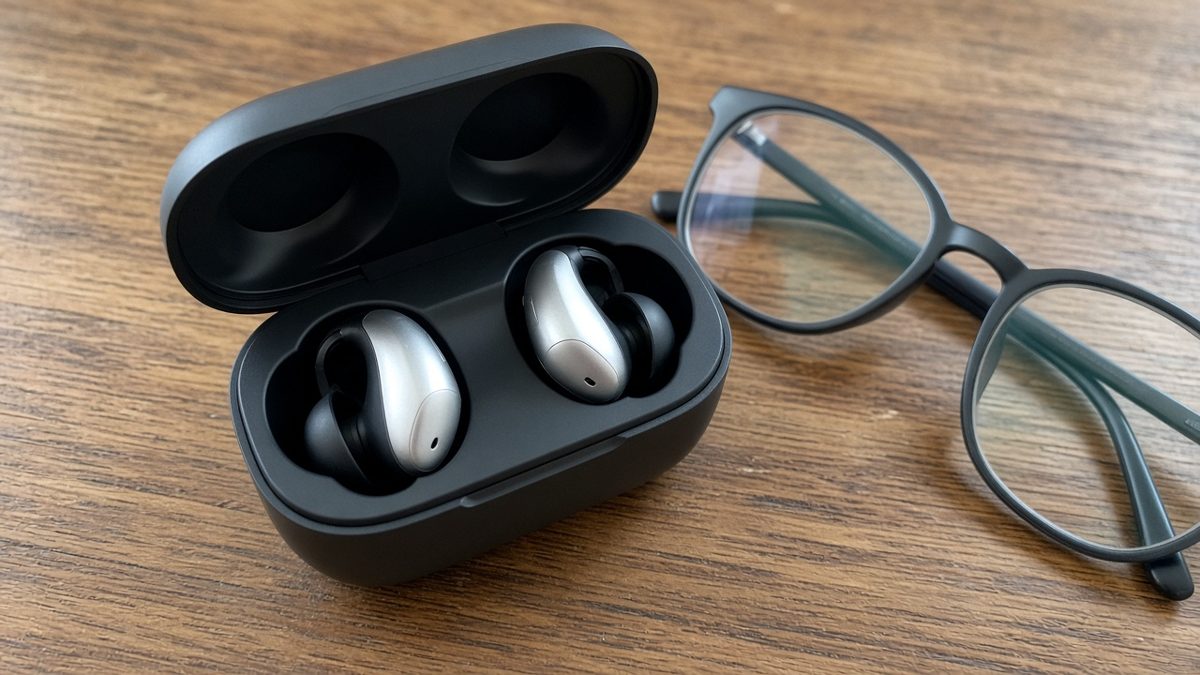
Hearing loss is one of the most common chronic conditions among older adults, and research has linked untreated hearing loss with social isolation, falls, and cognitive decline. Yet many people who could benefit from hearing aids do not use them, often because of cost. For years, a pair of prescription hearing aids could cost several thousand dollars, frequently paid entirely out of pocket. The landscape changed in 2022 when the FDA created a category of over-the-counter hearing aids. This guide explains hearing aids cost and coverage today and how to decide which option is right for you.
The over-the-counter hearing aid rule
Following the Over-the-Counter Hearing Aid Act of 2017, the FDA issued a final rule effective October 17, 2022, establishing OTC hearing aids for adults 18 and older with perceived mild to moderate hearing loss. Key features:
- No medical exam, prescription, or professional fitting is required.
- They are sold in pharmacies, retail stores, and online.
- They must meet FDA requirements for output limits, labeling, and performance.
- Many are self-fitting, using an app to customize settings.
Prescription hearing aids remain available for people with more severe loss, children, and anyone who prefers professional fitting.
Typical costs
Prices vary widely, but general ranges are:
- OTC hearing aids: often from a few hundred dollars to around $1,500 or more per pair, depending on features such as rechargeable batteries, Bluetooth streaming, and app-based customization.
- Prescription hearing aids: commonly several thousand dollars per pair when purchased from an audiologist or hearing instrument specialist, often bundled with fitting, follow-up adjustments, and a warranty.
- Warehouse clubs and large retailers that sell prescription hearing aids with professional fitting often offer lower prices than private clinics.
Some clinics offer unbundled pricing, in which you pay separately for the devices and for professional services. Unbundling can reduce upfront costs if you need few follow-up visits.
OTC vs prescription: which is right for you?
Consider OTC if
- You have trouble hearing in noisy places, on the phone, or in groups, but not in quiet one-on-one conversation.
- You are an adult with no ear pain, drainage, sudden hearing loss, or dizziness.
- You are comfortable using smartphone apps for setup.
See a professional first if
- You have sudden hearing loss, which is a medical emergency, or hearing loss in only one ear.
- You have ear pain, fluid drainage, a feeling of fullness, or ringing in one ear.
- You have severe or profound hearing loss.
- You have difficulty with hands-on adjustment or technology.
- You are buying for a child.
FDA labeling for OTC hearing aids lists these red flags and recommends seeing a doctor if they apply. Even if you choose OTC, a baseline hearing test from an audiologist can tell you how significant your loss is.
Does Medicare cover hearing aids?
Original Medicare does not cover hearing aids or exams for fitting hearing aids. Part B covers diagnostic hearing and balance exams when ordered for medical reasons, and since 2023, beneficiaries can see an audiologist once every 12 months without a physician order for certain diagnostic tests. Cochlear implants, which are surgically implanted devices for severe hearing loss, are covered under Medicare when criteria are met.
Medicare Advantage plans often include hearing benefits as a supplemental benefit, such as an allowance toward hearing aids, routine hearing exams, or access to a contracted hearing aid network with set prices. Benefits vary greatly. Check:
- The dollar allowance or copay per device.
- Whether you must buy through a specific vendor.
- How often the benefit renews, commonly every two or three years.
- Whether OTC hearing aids are included.
Medicaid
Medicaid must cover hearing services, including hearing aids, for children under 21 through the EPSDT benefit. Adult hearing aid coverage is optional, and many states provide it with limits. Check your state Medicaid program.
Private insurance
Many employer plans do not cover hearing aids, but coverage is growing. Some states require state-regulated plans to cover hearing aids for children, and a smaller number require coverage for adults, often with dollar limits and replacement intervals. Self-funded employer plans are not subject to state mandates but may offer coverage voluntarily. Some insurers offer discount programs through partner networks.
Veterans
The Department of Veterans Affairs provides hearing aids at no cost to eligible veterans enrolled in VA health care, including many whose hearing loss is not service-connected. Hearing loss and tinnitus are among the most common service-connected disabilities. Contact your VA medical center’s audiology department.
Other ways to pay less
- Use HSA or FSA funds. Hearing aids, batteries, and related services are qualified medical expenses.
- Check the medical expense deduction. Unreimbursed hearing aid costs count toward itemized medical deductions above 7.5 percent of AGI.
- Look into state programs. Some states and nonprofit organizations offer hearing aid assistance for low-income adults and older residents.
- Ask about vocational rehabilitation. State vocational rehabilitation agencies may help pay for hearing aids if they are needed for work.
- Consider refurbished devices from reputable sources.
- Compare trial periods. Many sellers offer trial periods of 30 to 60 days or more with full or partial refunds.
Features worth paying for
- Rechargeable batteries for convenience.
- Directional microphones and noise reduction to help in restaurants and crowds.
- Bluetooth streaming from phones and TVs.
- Telecoils for hearing loop systems in theaters and places of worship.
- Water resistance and durability.
- Warranty and loss-and-damage coverage.
Features that sound advanced may not help everyone. Focus on the situations where you struggle most.
Adjusting to hearing aids
The brain needs time to adjust to amplified sound. Wear the devices consistently, start in quiet settings, and gradually increase use in more challenging environments. Follow-up adjustments, whether in an app or with a professional, are an important part of success. Many people who abandon hearing aids do so because of poor fit or settings that were never fine-tuned.
Protecting the hearing you have
Hearing aids help, but prevention matters too. Noise-induced hearing loss is permanent and largely preventable. Use earplugs or earmuffs around loud equipment, at concerts, and when using power tools; keep personal audio volume moderate; and take breaks from noisy environments. People who work in loud settings may be covered by workplace hearing conservation programs under federal occupational safety rules, which require employers to monitor noise exposure, provide hearing protection, and offer annual hearing tests when noise exceeds set levels. If you notice ringing, muffled hearing, or difficulty following conversations, get tested sooner rather than later, since earlier treatment tends to make adjustment easier.
Questions to ask before you buy
Whether you buy OTC or prescription devices, ask the seller: How long is the trial period, and is there a restocking fee if I return them? What does the warranty cover, and for how long? Is loss and damage protection included? Are follow-up adjustments included in the price, and for how long? What is the battery life on a typical day? Can the devices be adjusted remotely? Are replacement domes, wax guards, and chargers easy to buy? If you buy from a clinic, request an itemized quote that separates the device price from professional service fees, so you can compare offers fairly.
Hearing tests and what the results mean
An audiogram is a chart that shows the softest sounds you can hear at different pitches. Hearing loss is often described as mild, moderate, moderately severe, severe, or profound based on these thresholds. Many people with age-related hearing loss have greater loss at high pitches, which makes consonants such as s, f, and th harder to hear and speech sound muffled. Ask for a copy of your audiogram; some OTC hearing aid apps can use it to set the devices more precisely.
Related reading: Medicaid Eligibility in 2026: Income Limits, Expansion States, and How to Apply.
Frequently Asked Questions
Can I use an OTC hearing aid if I have severe hearing loss?
OTC devices are intended for perceived mild to moderate loss. People with severe loss should see a hearing professional.
Do OTC hearing aids require an app?
Many do, but some are preset or use buttons for adjustment. Choose a design you are comfortable using.
Will Medicare start covering hearing aids?
Legislation to add hearing aid coverage to Original Medicare has been proposed several times but has not passed. Medicare Advantage plans remain the main Medicare route to hearing aid benefits.
This article is for general informational purposes only and is not legal, medical, tax, or financial advice. Rules vary by state and change over time; confirm details with the relevant agency or a licensed professional.