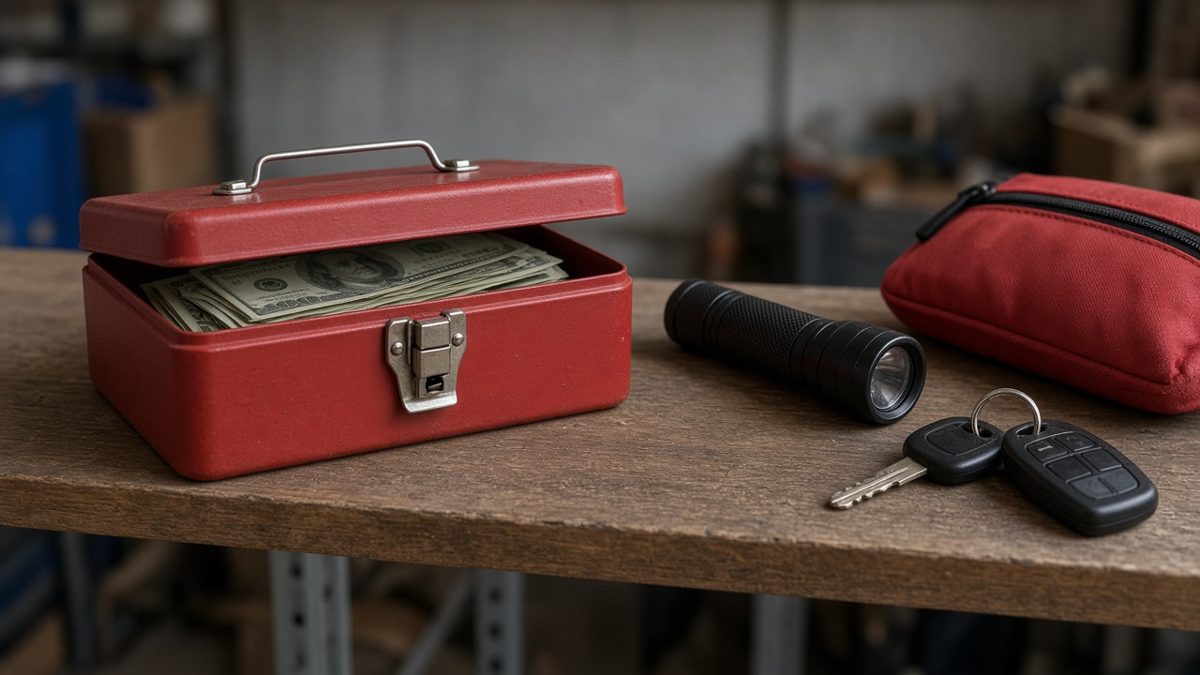
Unexpected expenses are not a question of if but when. A car repair, a dental bill, a sudden layoff, or an urgent trip can strain any budget. Without savings, people often turn to credit cards or high-cost loans, which can turn a one-time problem into lasting debt. Learning how to build an emergency fund is one of the most practical steps you can take toward financial stability. This guide covers how much to save, where to keep the money, and how to get started even when money is tight.
What an emergency fund is for
An emergency fund is cash set aside for expenses that are necessary, unexpected, and urgent. Examples include:
- Loss of a job or a significant drop in income
- Medical or dental costs not covered by insurance
- Essential car repairs
- Urgent home repairs, such as a broken furnace or a leaking roof
- Emergency travel for family reasons
It is not for planned expenses like holiday gifts, annual insurance premiums, or a vacation. Those are better handled with sinking funds, which are separate savings you build gradually for expenses you know are coming.
How much should you save?
The common guideline is three to six months of expenses, specifically essential expenses: housing, utilities, food, transportation, insurance, minimum debt payments, and child care. You do not need to cover your full lifestyle spending.
Where you fall in that range depends on your situation:
| Situation | Suggested target |
|---|---|
| Dual income, stable jobs, no dependents | About 3 months |
| Single income or with dependents | About 6 months |
| Self-employed, commission-based, or seasonal income | 6 to 12 months |
| Homeowner with older home or car | Toward the higher end |
| Nearing retirement or in a volatile industry | Toward the higher end |
Use a simple emergency fund calculator
- Add up your monthly essential expenses.
- Multiply by the number of months that fits your situation.
- Subtract what you have already saved.
- Divide the remainder by the number of months you want to take to reach your goal.
For example, if essential expenses are $3,200 a month and your target is four months, your goal is $12,800. Saving $400 a month would take 32 months; saving $600 a month would take a little over 21 months.
Start with a starter emergency fund
A full three to six months can feel out of reach. A starter emergency fund of around $1,000 to $2,000, or one month of essential expenses, gives you a buffer against common surprises while you work on other goals. Many people build a starter fund first, then focus on paying off high-interest debt, then return to finishing the full fund.
If your employer offers a 401(k) match, many planners suggest contributing at least enough to get the full match even while building savings, because a match is part of your compensation.
Where to keep emergency savings
Your emergency fund should be safe, liquid, and separate:
- Safe: Not exposed to stock market drops. You need the money to be there when trouble hits, and recessions often bring both job losses and market declines.
- Liquid: Accessible within a day or two without penalties.
- Separate: In a different account from your everyday checking, so you are less tempted to spend it.
Good options for where to keep emergency savings include:
- High-yield savings accounts at FDIC-insured banks or NCUA-insured credit unions, which offer competitive variable rates and deposit insurance up to $250,000 per depositor, per institution, per ownership category.
- Money market accounts at banks or credit unions, which may offer check-writing.
- A CD ladder for part of a larger fund, though early withdrawal penalties make CDs less flexible.
- Treasury bills for larger balances, with interest exempt from state and local taxes.
Avoid keeping your emergency fund in stocks, crypto, or long-term investments. Keeping a small amount of cash at home can help in a power outage, but large sums at home are vulnerable to theft or loss.
Practical ways to build your fund
Automate it
Set up an automatic transfer to savings on each payday. Treating savings like a bill makes it consistent. Many employers allow you to split direct deposit between accounts.
Start small and increase
Even $25 or $50 per paycheck adds up. Increase the amount whenever you get a raise or pay off a debt.
Save windfalls
Direct part or all of tax refunds, bonuses, cash gifts, or rebates into your emergency fund. A tax refund alone can jump-start a starter fund for many households.
Trim and redirect spending
Review subscriptions, insurance premiums, phone plans, and dining out. Redirect specific savings, such as a canceled streaming service, straight to your fund so the money does not disappear into everyday spending.
Earn extra income
Selling unused items, freelance work, or extra shifts can speed things up. Earmark that income entirely for savings until you hit your target.
Use round-up tools
Some banks round up debit card purchases and transfer the difference into savings. Amounts are small, but they build without effort.
Emergency funds and debt
Should you save or pay off debt first? A balanced approach usually works best:
- Build a starter emergency fund.
- Get any employer retirement match.
- Pay down high-interest debt, such as credit cards, aggressively.
- Finish building three to six months of expenses.
Without a starter fund, any surprise expense goes straight onto a credit card, undoing your debt payoff progress.
Using and replenishing your fund
When an emergency happens, use the fund. That is its purpose. Ask yourself whether the expense is necessary, unexpected, and urgent. Afterward, pause other extra goals and rebuild the fund with the same automated plan.
If you lose your job, also look into unemployment benefits from your state, contact lenders about hardship programs, and reduce discretionary spending right away to stretch the fund further.
Common mistakes
- Keeping the fund in checking where it gets spent
- Investing the fund in volatile assets
- Waiting to start until you can save a large amount
- Treating predictable costs as emergencies
- Never rebuilding after using it
Adjusting your fund as life changes
Your emergency fund target is not fixed forever. Revisit it at least once a year and after major life events, because the right amount can shift significantly:
- A new baby or dependent increases both your essential expenses and the cost of a disruption in income, so many families raise their target.
- Buying a home brings repair and maintenance costs that renters do not face. Homeowners often keep a larger fund or a separate home repair sinking fund.
- A job change to a less stable industry, commission pay, or self-employment usually calls for more months of savings.
- Paying off debt lowers your required monthly expenses, which can reduce your target and free up cash flow to finish it faster.
- Moving to a higher cost-of-living area raises the dollar amount you need even if the number of months stays the same.
Also check your insurance deductibles. If your health, auto, and homeowners policies have high deductibles, your fund should be large enough to cover at least the largest deductible you might face in a single bad month.
Related reading: How to Improve Your Credit Score: A Practical Step-by-Step Plan and Debt Consolidation Loan: How It Works and When It Makes Sense.
Frequently Asked Questions
How much should my emergency fund be?
A common target is three to six months of essential expenses, with more if your income is irregular or you support others. Start with a starter fund of about $1,000 to $2,000 or one month of expenses.
Should I invest my emergency fund?
Generally no. The money should be safe and liquid. High-yield savings and money market accounts at insured institutions are common choices.
Is it better to pay off debt or build an emergency fund?
Most people benefit from a small starter fund first, then aggressive payoff of high-interest debt, followed by finishing a full emergency fund.
Can I use a credit card as my emergency fund?
A credit card can be a backup, but it is not a substitute. High interest can make an emergency much more expensive, and issuers can lower limits during economic downturns.
How long does it take to build an emergency fund?
It depends on your target and how much you can save. Dividing your goal by your monthly savings amount gives you a timeline; windfalls and extra income can shorten it.
This article is for general informational purposes only and is not legal, medical, tax, or financial advice. Rules vary by state and change over time; confirm details with the relevant agency or a licensed professional.